The Houses · H-01
North House
Penobscot County, Maine · Established 1974 · Open to visitors
North House is the oldest of the houses and looks it. It was a grange hall before it was anything else, and the floor still slopes toward the road.
- Region
- North America
- Residential places
- 22
- Residence
- Twenty-two places, held on the house rota in periods of three to twelve days.
- Recurring form
- The house keeps the Open Table among its recurring forms.
- Fabric
- The long room, kitchen, and two ground-floor bedrooms are step-free. The archive room is reached by four steps and is cold.
This is a register entry. No address, telephone line, or arrangement to visit is published here, and none can be taken up through this website.
The house
The building was bought in the spring of 1974 with money raised among the Thursday gatherings and a loan from a Bangor credit union that took nine years to discharge. The two outbuildings came with it: a woodshed, and a long shallow barn that has been, in turn, a dormitory, a cannery, and since 1987 the archive room.
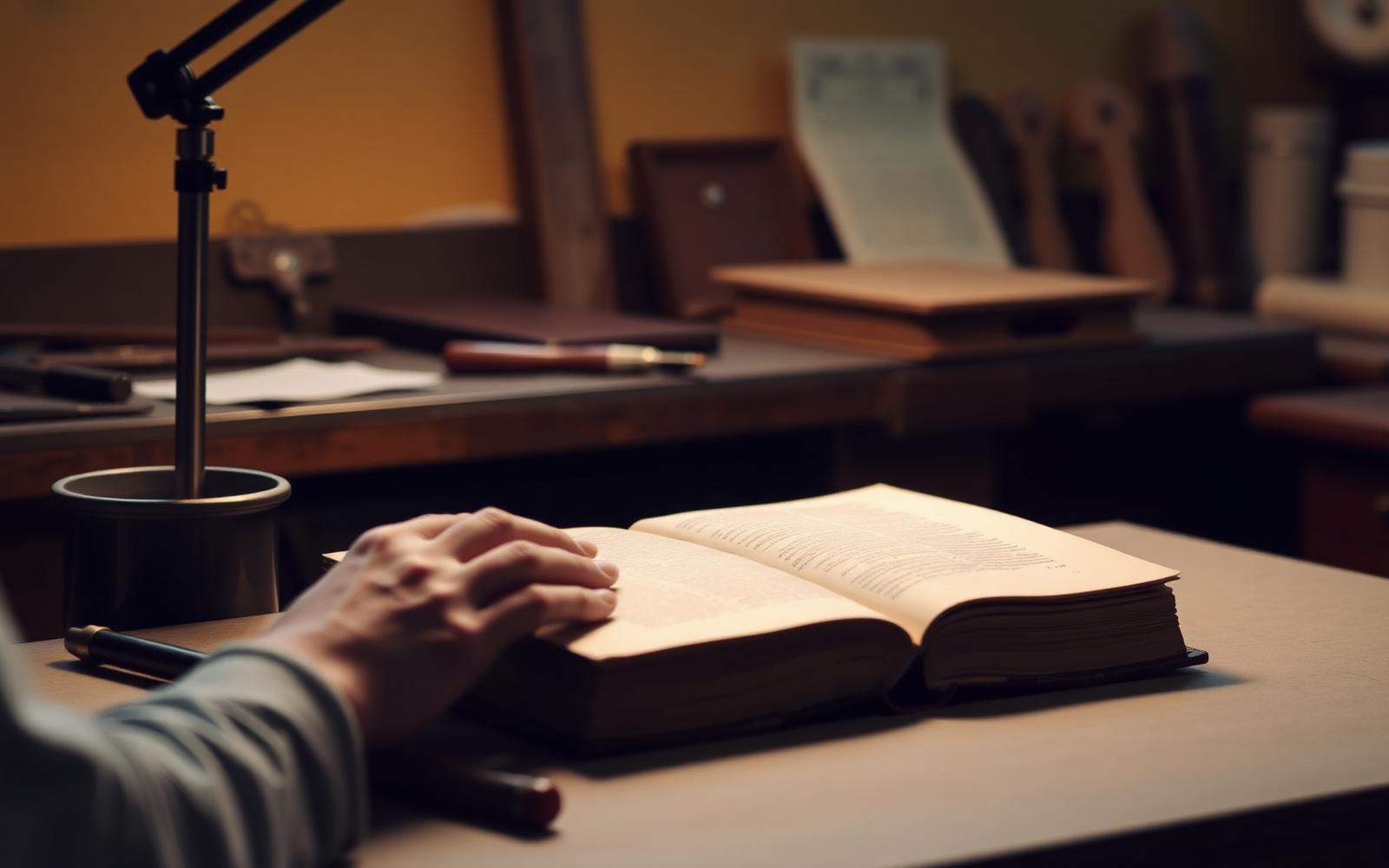
The archive room is unheated by decision rather than by neglect. Vale held that paper keeps better cold than comfortable, and successive stewards have declined to argue with her about it. Readers are given a blanket and a pair of cotton gloves.
Most of what the Institute knows about its own first decade is here, and a good deal of what it does not know is here too, in the form of gaps that have been catalogued rather than filled.
The work
- The archive is the principal work. Residents and a rotating body of volunteers catalogue, repair, and transcribe; the transcription backlog stands at roughly eleven hundred pages and has stood at roughly eleven hundred pages for some years.
- A food distribution has been carried from the woodshed with neighbouring congregations and the county food bank since the house's second decade. The tonnage is entered in the annual work report.
- Adult education is held in the long room: literacy, arithmetic for the trades, and a reading course taught for many years by the same retired schoolteacher.
Observance kept here
The cold hour
One hour each Thursday is worked in the archive room without conversation. Anyone in the house may come; nobody is asked whether they did.
The shared forms, here
- The Repair Table
- Household objects: crockery, chair joints, window furniture, and the archive blankets.
Kept in use
The kitchen bell
Timekeeping. It is rung for the meal, and at most houses to mark the end of the twelve minutes.
The archive blankets
Worn in the archive room at North House, which is kept cold for the paper and is uncomfortable for people.
The white cups
Tea, at the table and at the bench. They recur in house photographs from the late seventies onward, which is an accident of ordering and not a design.
The house, day to day
Competent and unambitious. The Tuesday and Friday distribution eats the kitchen's whole attention, so the house meal is nearly always the bean pot, bread bought from the crossroads store, and whatever the food bank could not send out. Nobody has objected in thirty years.
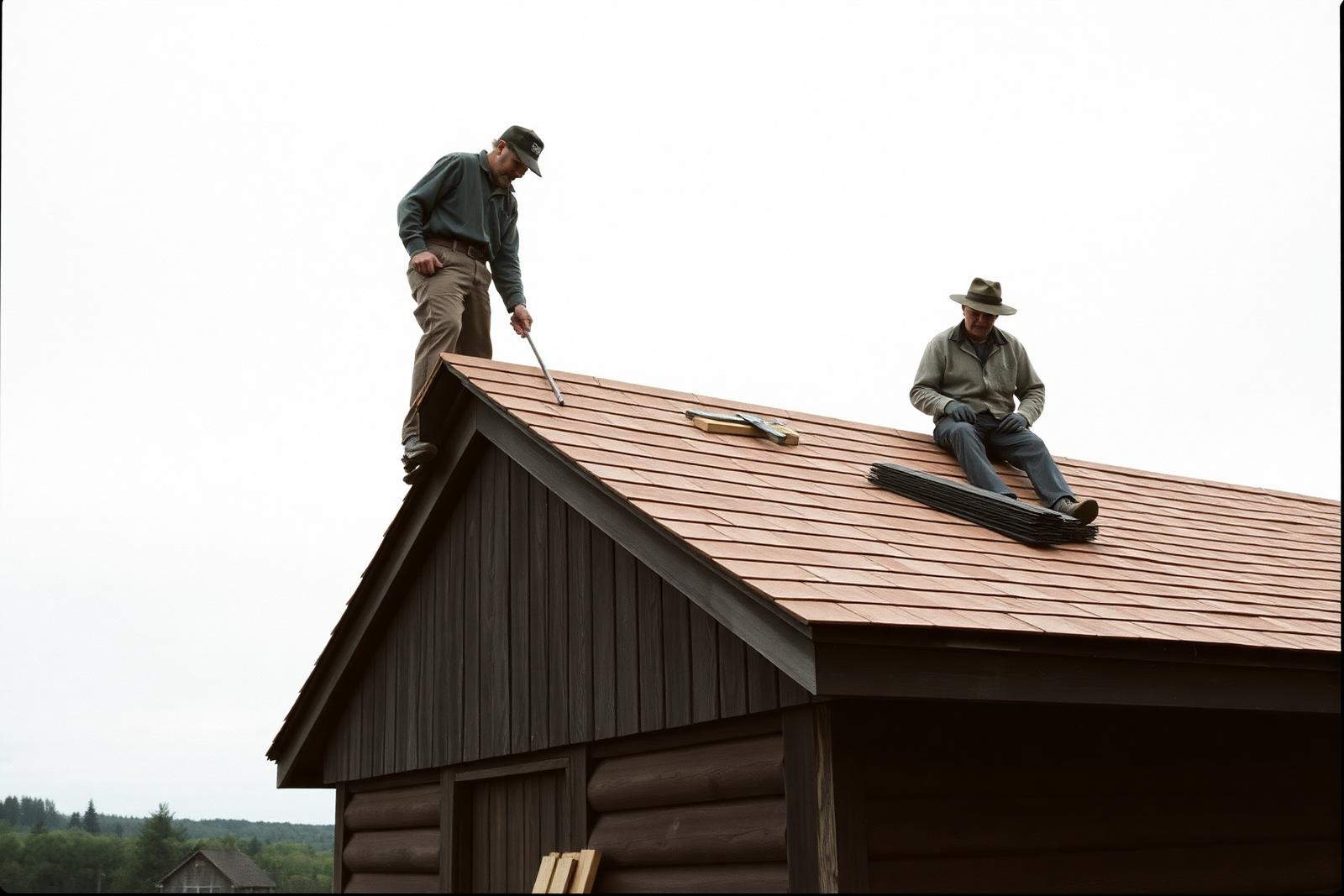
A grange hall of 1911 with a woodshed and a shallow barn. Timber frame on a rubble footing, and the slope in the long-room floor has been surveyed three times and left alone three times, because arresting it would cost more than the building is worth and it is not getting worse.
- Rooms
- The cold room, The long room, The east table, and the usual others (11 in all).
- In the kitchen
- The bean pot. Yellow-eye beans, salt pork or not, molasses, mustard, overnight in the low oven. The printed version in RCP/1988/09 says six hours; the kitchen card taped inside the cupboard says nine, in Vale's hand, and the kitchen follows the card.
- Outstanding
- The long-room floor — Monitored. Pegs are read each March and the reading goes in the fabric book. Boiler, woodshed circuit — Serviced annually; the engineer has recommended replacement twice and the treasurer has deferred it twice, in writing. Gutter, barn north side — Cleared. Will need clearing again.
- Said here
- “It's in the cold room.” — I do not know where it is.
- Local custom
- The kettle slate. A house that catalogues eleven hundred pages of other people's paper cannot keep track of one kettle, and has built a small administration around the fact.
Local participation
- The cold-room rota: two members check the archive temperature and the damp trap each week.
- Thursday kitchen, on a four-week cycle. Those who cook do not serve.
- Separation
- Notice is given to the steward or left in the book by the kitchen door. The rota is filled from the standby list the same week.
- Succession
- The cold-room rota has had six holders since 1977. The sequence is written inside the door of the cupboard. The work is reassigned; the person is not replaced.
A life in the practice
The term a steward holds, and its limits
The steward
Mara Evensen
Retired county librarian · steward since 2011
Came to Shore House in 1977 and to North House in 1998. Holds the archive enquiries as well as the house.
Records
Other houses
- Shore House — Lunenburg, Nova Scotia
- River House — Ramsey County, Minnesota
Elsewhere in the catalogue
Related records
- Statement of Loss and Reinstatement, autumn 1998 (LED/1998/04)
Compiled at this house, which keeps the accounts for the Maine properties.
- Remarks at the first reconciliation (REC/1979/02)
Recorded in the receiving room here, at the meeting that set the present practice.
Entry H-01 · reviewed 14 March 2026